 how-to
How to Prevent Commercial Roof Leaks: A Step-by-Step Guide
Table of Contents
- Why Preventing Commercial Roof Leaks Matters
- Understanding Common Flat Roof Leak Causes
- Step 1: Develop a Commercial Roof Inspection Checklist
- Step 2: Maintain Flat Roof Drainage and Address Standing Water
- Step 3: Repair Damage Before It Spreads
- Step 4: Take Commercial Roof Leak Emergency Steps
- Step 5: Apply Preventive Coatings and Waterproofing
- Building a Maintenance Budget and Tracking ROI
- Frequently Asked Questions
Last Updated: October 11, 2026
Why Preventing Commercial Roof Leaks Matters
Water intrusion can shut down operations fast. A single leak damages inventory, disrupts workflows, and creates safety hazards for your team.
Facility managers who ignore early warning signs end up facing emergency repairs that cost far more than routine maintenance. The good news: you can prevent commercial roof leaks entirely within your control.
This guide walks you through the five essential steps to keep your roof watertight and your building protected. We'll show you how to inspect, maintain, and respond to problems before they become expensive disasters.
Understanding Common Flat Roof Leak Causes
Flat roofs face unique challenges. Unlike pitched roofs, they don't shed water naturally. Water pools, stresses seams, and finds every weak point in your membrane. The prevention strategy you choose depends heavily on which membrane type your flat roof uses, each has distinct failure patterns and maintenance needs.
Membrane-Type-Specific Vulnerabilities
TPO (Thermoplastic Polyolefin) roofs are popular for cost and energy efficiency, but they're prone to seam separation.
EPDM (Ethylene Propylene Diene Monomer) rubber roofs are durable but vulnerable to punctures and UV damage without protective coatings.
PVC (Polyvinyl Chloride) roofs resist chemicals and UV well but are susceptible to wind uplift at edges and seams.
Modified bitumen roofs (torch-down or self-adhering) are common on older buildings. They deteriorate from UV exposure and thermal cycling, developing cracks and blisters.
Metal roofs (standing seam or corrugated) fail primarily at fasteners and seams. Rust, corrosion, and fastener loosening are the main culprits.
Common Causes Across All Flat Roof Types
Regardless of membrane type, these issues appear repeatedly:
- Clogged drains and ponding water. Standing water puts constant pressure on your roof membrane. Debris blocks drains. Water sits instead of flowing away. On flat roofs, even 1-2 inches of standing water 48 hours after rain signals a drainage problem.
- Damaged roof membrane. Cracks, blisters, and punctures expose the layer beneath. UV exposure and weather deterioration happen faster than most expect.
- Deteriorated seams and flashing. Where two roof sections meet, sealant fails. Flashing around penetrations cracks and pulls away from the membrane. Seam failure is the #1 leak source on most flat roofs.
- Roof penetrations. HVAC units, vents, and exhaust pipes create openings. Improper installation or failed sealant lets water slip through. Penetrations account for roughly 40% of commercial roof leaks.
- Wind damage and weather exposure. High winds lift membrane edges and stress seams. Ice and temperature swings cause expansion and contraction that stresses joints.
Understanding these causes helps you spot problems during inspections and prioritize maintenance. Each flat roof type is preventable with the right maintenance approach, but that approach differs.
Step 1: Develop a Commercial Roof Inspection Checklist
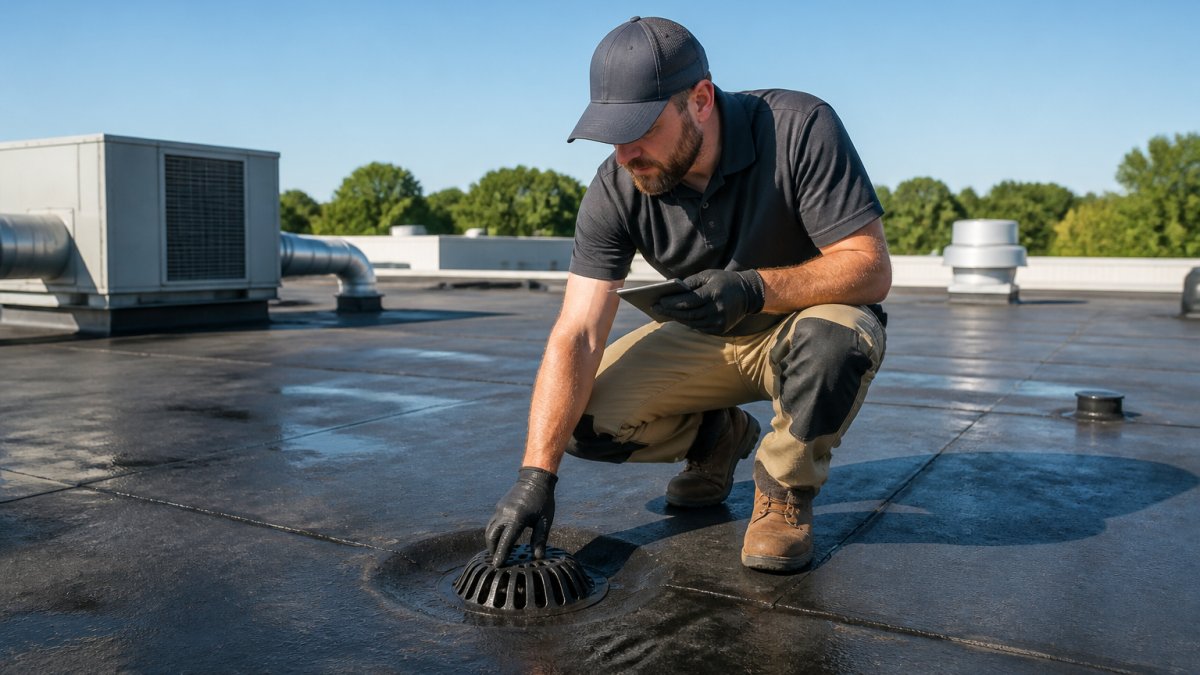
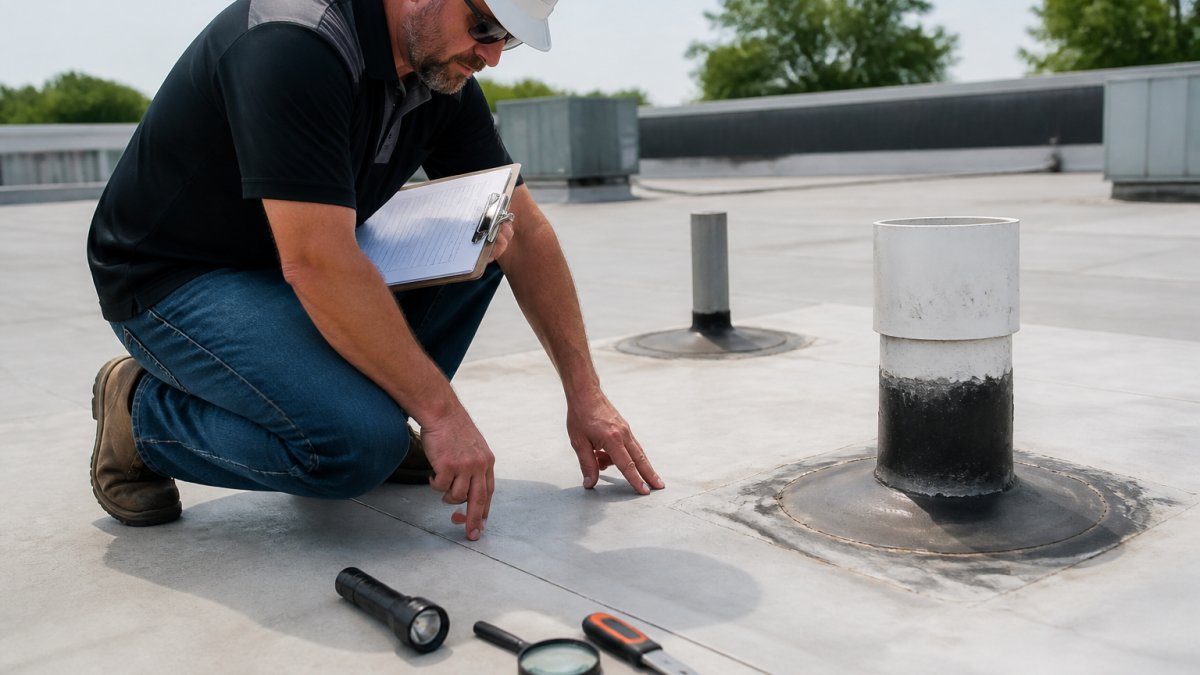
Your first line of defense against leaks is a structured inspection routine to prevent commercial roof leaks. Don't wait for visible leaks or water stains on your ceiling. Catch problems while they're small.
What to Look For During Inspections
Walk your roof systematically. Check every section, not just the problem areas you remember from last time.
Look for these warning signs:
- Membrane damage, Blisters, cracks, tears, or discoloration on the roof surface
- Standing water, Pooling water that doesn't drain within 48 hours of rain
- Debris buildup, Leaves, dirt, and sediment in gutters and around drains
- Seam separation, Gaps where roof sections connect or where membrane pulls away from flashing
- Flashing deterioration, Rust, corrosion, or separation around pipes and vents
- Mold or algae growth, Dark spots that signal moisture retention
- Sagging or soft spots, Areas that feel spongy underfoot (sign of water damage beneath)
Document everything with photos. Note the location, size, and condition of each issue. This record helps you track whether problems are worsening or stable.
Inspection Frequency and Documentation
Inspect your roof twice per year at minimum. Spring and fall are ideal, after winter weather and before summer heat.
If your building has experienced leaks, increase frequency to quarterly inspections. After repairs, schedule follow-up inspections at 30 days, 90 days, and 6 months to verify the fix is holding.
Keep a maintenance log. Record:
- Inspection date and weather conditions
- Issues found and their locations
- Photos of problem areas
- Repairs completed and who performed them
- Drain cleaning dates
- Coating or sealant applications
This documentation protects you in multiple ways. It shows your insurer you're taking preventive action. It helps contractors understand your roof's history. It gives you proof that problems were identified and addressed promptly, critical if water damage claims arise.
Step 2: Maintain Flat Roof Drainage and Address Standing Water
Drainage is everything on a flat roof. Water that sits becomes water that infiltrates.
After heavy rain, check your roof within 24 hours. Standing water should be gone. If it lingers, your drains are clogged or undersized.
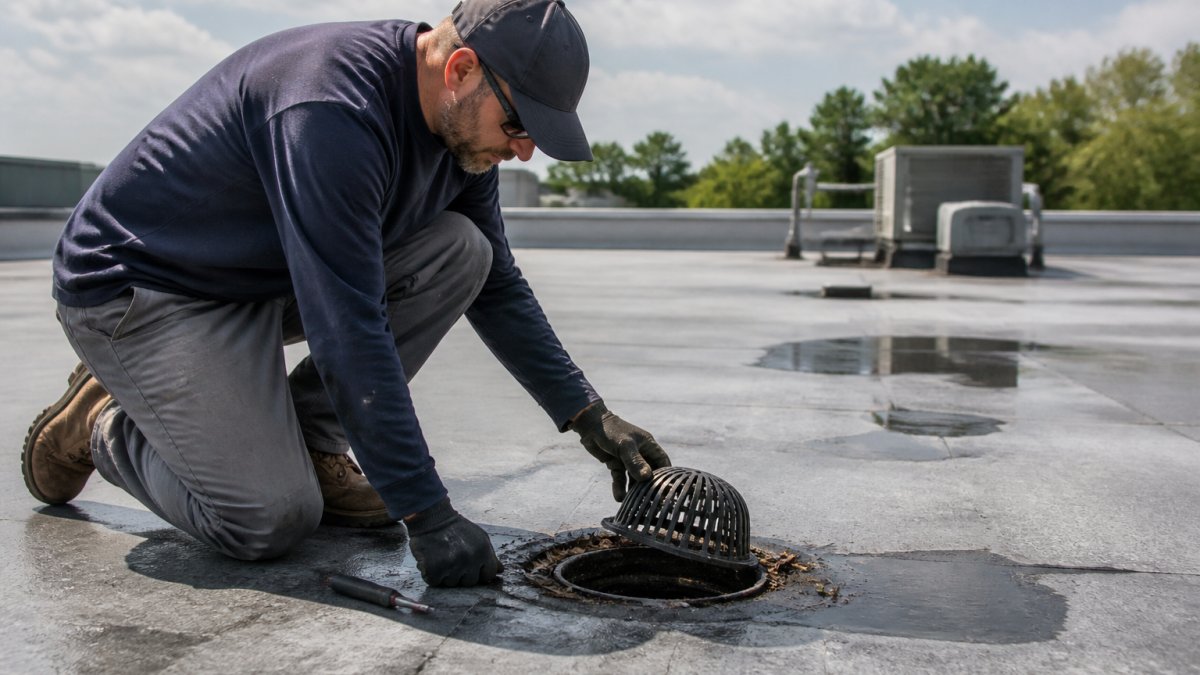
Clear debris from gutters, downspouts, and drain screens regularly. Leaves, dirt, and sediment accumulate fast. One clogged drain can cause ponding across a large section of roof.
For areas with persistent standing water, consider these solutions:
- Install additional drains, More drains mean faster water removal and lower ponding risk
- Improve slope, Even slight slope changes direct water toward drains instead of low spots
- Apply roof coatings, Reflective coatings reduce water absorption and slow deterioration
- Install tapered insulation, Creates slope while improving thermal performance
Don't ignore "minor" pooling. Water that sits for weeks accelerates membrane breakdown. What looks like a small wet spot today becomes a leak in months.
Step 3: Repair Damage Before It Spreads
Small problems grow fast. A hairline crack becomes a split. A lifted seam becomes a gap. A puncture becomes a hole.
When inspections find damage, repair it immediately. Don't defer until the next budget cycle.
For minor damage, temporary repairs buy time:
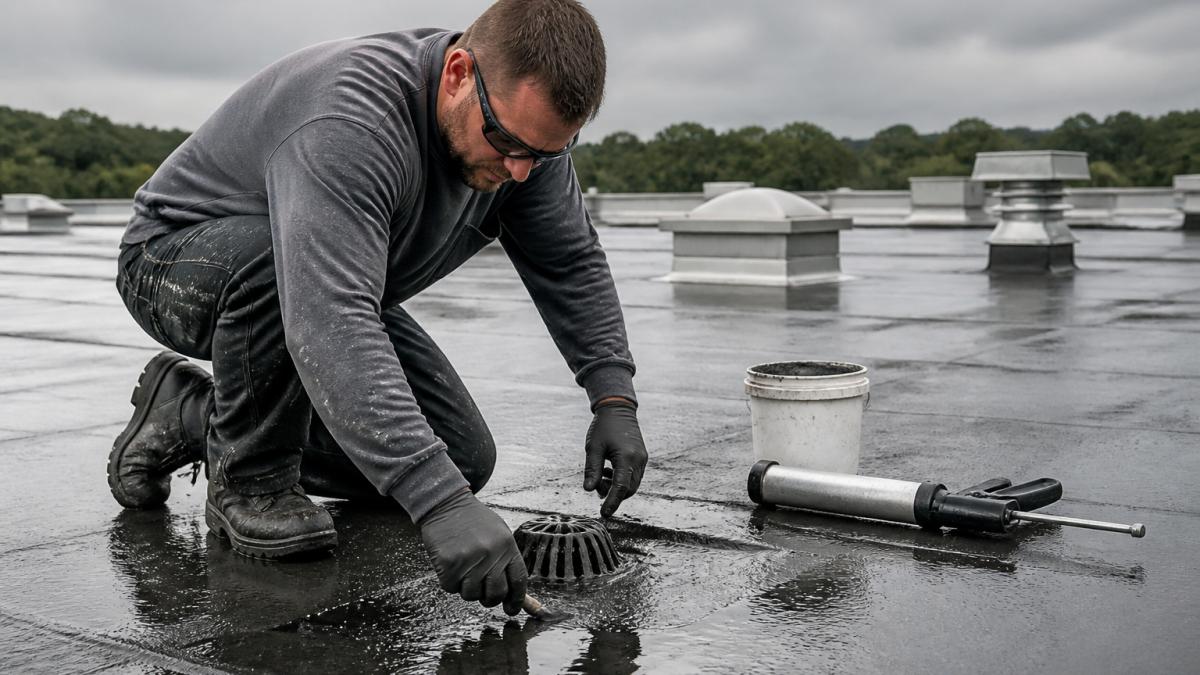
- Roofing cement, Fills small cracks and holes. Clean the area first, apply cement, and smooth it flat.
- Silicone caulk, Seals seams and flashing gaps. Works best on clean, dry surfaces.
- Plastic sheeting, Covers larger damaged areas temporarily. Secure it with tape and weights until permanent repair.
These temporary fixes are stopgaps only. Schedule permanent repairs within 30 days. Temporary patches fail under UV exposure and weather stress.
For permanent repairs, professionals use membrane patches or complete section replacement. The method depends on damage type and roof age. American Enviromental Services assesses each situation to recommend the most durable fix, one that matches your roof's remaining lifespan and prevents the problem from recurring.
Step 4: Take Commercial Roof Leak Emergency Steps
When water is actively leaking inside your building, you need immediate action. But before anyone climbs onto the roof to investigate, understand the safety and liability risks.
Protect Your Team: When NOT to Access the Roof
Facility managers and maintenance staff often assume they should climb up and locate the leak themselves. This is a serious mistake. Roof access carries fall, slip, and electrical hazards that require proper training and equipment.
Do not send untrained staff onto the roof if:
- The roof is wet, icy, or covered in debris (slip hazard)
- Weather is active, wind, rain, or lightning risk (fall hazard)
- There are electrical lines, HVAC equipment, or other energized systems nearby (electrocution risk)
- You lack fall protection equipment (harnesses, anchor points, lifelines)
- Staff have not completed fall-protection training per OSHA standards
- The roof structure is unknown or potentially compromised by water damage
OSHA requires fall protection for any work at heights above 6 feet. A fall from a single-story roof can cause serious injury or death. Even a "quick look" without proper equipment violates workplace safety standards and exposes your organization to liability.
Safe Emergency Response Protocol
Step 1: Document from inside. Take photos of water stains, ceiling damage, and any pooling water visible from interior access points (attic, mechanical room, upper floors).
Step 2: Contain the damage. Move inventory and equipment away from the leak area. Place buckets or tarps to catch water and prevent slip hazards.
Step 3: Call a professional immediately. Do not wait for the next business day. A commercial roofing contractor has fall protection, training, and diagnostic tools.
What to Tell the Contractor
When you call, provide:
- Location of interior water damage. Which room, floor, or zone is affected?
- When the leak started. Was it during or after rain? How long has water been present?
- Roof age and type. If you know whether it's TPO, EPDM, PVC, modified bitumen, or metal, say so. If not, the contractor will determine it on-site.
- Previous repairs or known issues. Has this area leaked before? Are there known problem spots?
- Photos of interior damage. Send these before the contractor arrives so they can plan their approach.
The sooner you provide this information and allow professional access, the sooner the leak is diagnosed and contained. Professional response is not an expense, it's insurance against far larger repair, business interruption, and liability costs.
Step 5: Apply Preventive Coatings and Waterproofing
Roof coatings extend membrane life and add an extra water barrier. They're not a replacement for maintenance, but they're a powerful prevention tool.
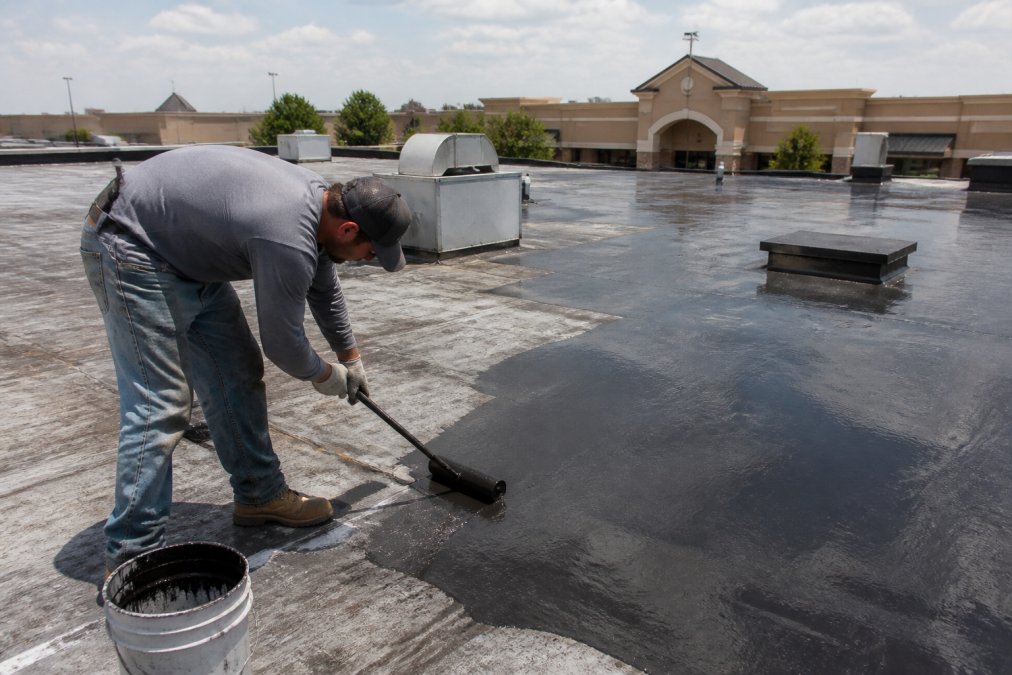
Reflective coatings reduce heat absorption and UV damage. They lower cooling costs and slow membrane deterioration.
Waterproofing sealants fill micro-cracks and seal seams. They prevent water from penetrating small defects before they grow into leaks.
Coatings work best when applied to a clean, well-maintained roof.
Reapply coatings every 3-5 years, or per manufacturer recommendations. Regular recoating maintains the protective barrier and prevents membrane exposure to UV and weather.
Building a Maintenance Budget and Tracking ROI
Preventive maintenance costs less than emergency repairs. A structured budget ensures you're investing consistently without surprises.
Start by assessing your roof's age and condition. Newer roofs need less frequent work. Older roofs approaching end-of-life may need quarterly inspections and regular repairs.
Budget for:
- Inspections, Twice yearly, plus emergency calls as needed
- Drain cleaning, Quarterly or after heavy debris events
- Repairs, Small fixes as identified during inspections
- Coatings and sealants, Every 3-5 years
- Emergency response, Set aside contingency funds for unexpected leaks
Track spending against outcomes. Document:
- Total maintenance cost per year
- Number of leaks prevented through early detection
- Repairs avoided by addressing small problems early
- Roof lifespan extension from preventive care
Compare this to the cost of a full roof replacement. Most commercial roofs cost significantly more to replace than to maintain properly over their lifespan. Preventive maintenance typically extends roof life by 5-10 years, deferring replacement and protecting your building's interior.
Preventing commercial roof leaks protects your operations, your inventory, and your bottom line. We involve you throughout every phase, so you understand exactly what's happening and why. Request a quote to have your roof inspected and get a customized prevention plan built for your building's specific needs.
Frequently Asked Questions
What are the most common causes of commercial roof leaks?
The leading causes of commercial roof leaks include clogged or improperly sloped drains that allow standing water to pool, deterioration of the roof membrane from UV exposure and weather, damage at roof penetrations where pipes and HVAC units penetrate the surface, and failed seams in single-ply roofing materials. Poor maintenance accelerates all of these issues. Regular inspections catch these problems early, before they become expensive failures.
How often should a commercial flat roof be inspected?
Inspect your flat roof at least twice per year: once in spring to assess winter damage, and once in fall before severe weather arrives. After storms or high winds, perform additional inspections immediately. Document all findings with photos and notes. This schedule catches membrane damage, debris accumulation, and drainage problems before they lead to water intrusion. Buildings in areas with extreme weather may benefit from quarterly inspections.
Can clogged roof drains cause commercial roof leaks?
Yes. Clogged drains are one of the most preventable causes of commercial roof leaks. When drains become blocked by debris, leaves, or sediment, water pools on the roof surface, creating standing water or ponding water. This weight and prolonged moisture exposure deteriorates the roof membrane, eventually causing leaks. Clear drains every spring and fall, and after storms. Install drain screens to reduce debris accumulation and inspect drains visually during each maintenance cycle.
What should you do if a commercial roof starts leaking during heavy rain?
First, document the leak location and water entry point with photos and measurements. Move valuable equipment and inventory away from the affected area. Place buckets to contain water and prevent slip hazards. Call a professional roofer immediately for emergency diagnosis and temporary repair. Do not attempt repairs yourself on a wet or sloped surface. Permanent repair requires professional assessment of the underlying membrane and structural damage.