 comparison
Roof Coating vs. Replacement: Cost & Decision Guide
Table of Contents
- Roof Coating vs. Roof Replacement: Quick Comparison
- Pros and Cons of Roof Coating
- Pros and Cons of Full Roof Replacement
- Commercial Roof Coating Cost Breakdown
- Commercial Roof Replacement Cost Breakdown
- Roof Coating Lifespan and Long-Term Value
- Commercial Roof Inspection Checklist: Deciding Between Coating and Replacement
- Frequently Asked Questions
Last Updated: October 9, 2026
Roof Coating vs. Roof Replacement: Quick Comparison
When your commercial roof shows wear, understanding roof coating vs replacement cost isn't just about upfront expenses, it's about what your roof actually needs and which delivers better long-term value.
A roof coating extends your existing roof's lifespan and protects against weather damage; a full replacement removes the old system and installs new materials.
Coating works best on roofs that are structurally sound but aging. Replacement becomes necessary when the substrate is compromised, repairs keep recurring, or structural integrity is failing.
| Factor | Roof Coating | Roof Replacement |
|---|---|---|
| Best for | Roofs in good condition needing protection | Roofs with structural damage or repeated failures |
| Installation time | 1-2 weeks typically | 2-4 weeks typically |
| Disruption level | Minimal; work continues overhead | Moderate; roof access restricted during work |
| Lifespan added | 5-10 years typically | 20-30 years typically |
| Maintenance after | Annual inspections recommended | Routine maintenance only |
| When to choose | Budget constraints, preventative approach | Long-term investment, structural issues |
Pros and Cons of Roof Coating
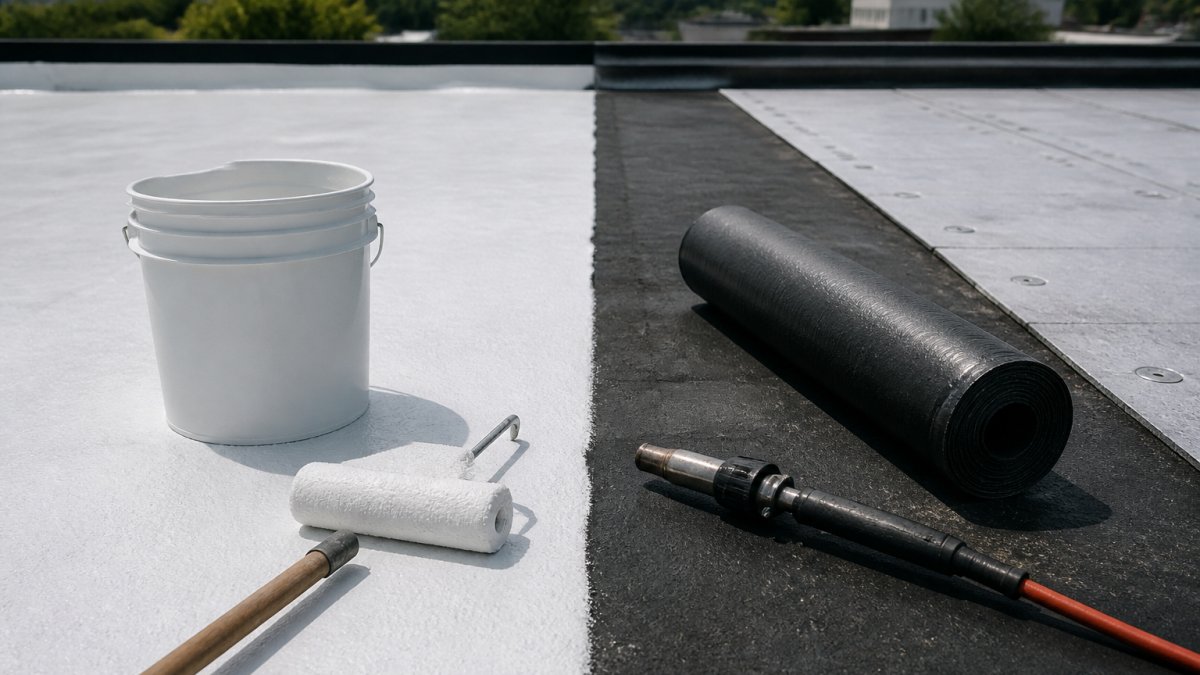
Roof coating is a protective layer applied to your existing roof surface. It seals minor cracks, reflects UV rays, and prevents water intrusion, without replacing the entire roof system.
Pros of roof coating:
- Lower initial investment than full replacement
- Faster installation means less operational disruption
- Extends your roof's life by 5-10 years on a sound substrate
- Reflective coatings lower cooling loads and energy costs
- Can be recoated periodically to extend protection further
Cons of roof coating:
- Does not address underlying structural damage
- Requires proper surface preparation to adhere correctly
- May not work on roofs with existing ponding water or active leaks
- Coating thickness and quality vary significantly by contractor
The critical limitation: if your roof already has water intrusion, seam separation, or structural deterioration, coating is a temporary band-aid that treats the symptom, not the cause.
Pros and Cons of Full Roof Replacement
Full roof replacement removes the old system down to the deck and installs new materials, the most comprehensive solution when your roof has reached the end of its serviceable life.
Pros of roof replacement:
- Solves structural problems and water intrusion permanently
- Provides 20-30 years of protection with modern materials
- Eliminates ongoing repair cycles and emergency leak calls
- Includes warranty protection on new materials and installation
- Allows upgrades to higher-performing systems (reflective coatings, better drainage)
- Prevents inventory damage and operational disruption from leaks
Cons of roof replacement:
- Significantly higher upfront cost than coating
- Longer installation timeline (typically 2-4 weeks)
- Greater operational disruption during the project
- More complex logistics for material delivery and debris removal
- Weather delays can extend the timeline
The trade-off is clear: you pay more upfront but eliminate the roof problem entirely.
Commercial Roof Coating Cost Breakdown
Roof coating cost varies based on roof size, surface condition, coating type, and labor availability.
What affects coating cost:
- Roof size: Larger roofs cost more in total but often have lower per-square-foot pricing
- Surface preparation: Cleaning, priming, and repairing existing damage adds labor time
- Coating material type: Silicone, acrylic, and elastomeric coatings have different price points
- Substrate condition: Roofs requiring extensive prep work cost more
- Roof complexity: Steep slopes, multiple penetrations, and complex geometry increase labor costs
- Regional labor rates: Contractor availability and local market conditions affect pricing
The actual cost depends on a detailed inspection and quote from your contractor.
When evaluating coating costs, factor in what's included: surface preparation, primer, coating thickness, cleanup, and warranty terms. A cheaper quote that skips proper prep will fail prematurely.
Normalized Cost Ranges by Coating System and Roof Type
To compare quotes fairly, normalize pricing by coating system and substrate. These ranges reflect common commercial flat-roof scenarios with moderate preparation and standard access, assuming a roof in fair condition with no active leaks or structural repairs.
| Coating System | Typical Substrate | Cost per Square Foot (Materials + Labor) | Service Life Expectancy |
|---|---|---|---|
| Acrylic | Aged modified bitumen, metal, or concrete | $1.50-$3.00 | 5-10 years |
| Silicone | TPO, EPDM, modified bitumen, concrete | $3.00-$6.00 | 10-15 years |
| Elastomeric (polyurethane) | Metal, concrete, modified bitumen | $3.50-$7.00 | 10-15 years |
| Butyl rubber | Metal, concrete | $2.50-$5.00 | 8-12 years |
These ranges assume a roof size between 5,000 and 50,000 square feet, standard access, and no more than minor surface repairs. Add $0.50-$1.50 per square foot for extensive preparation such as power washing, rust removal, or seam reinforcement.
Lifecycle Cost: Coating vs. Replacement Over 20 Years
The upfront cost difference is only part of the story. Coating requires recoating every 5-15 years, while replacement resets the clock for 20-30 years. Here is a simplified 20-year total cost of ownership comparison for a 10,000-square-foot flat roof.
| Scenario | Upfront Cost | Recoating/Replacement Intervals | 20-Year Total (Approximate) |
|---|---|---|---|
| Acrylic coating | $15,000-$30,000 | Recoat every 5-7 years (3-4 cycles) | $45,000-$90,000 |
| Silicone coating | $30,000-$60,000 | Recoat every 10-15 years (1-2 cycles) | $45,000-$90,000 |
| Full replacement (TPO/EPDM) | $100,000-$200,000 | No recoating; minor maintenance only | $100,000-$220,000 |
These figures exclude energy savings from reflective coatings (10-30% cooling reduction in warm climates) and emergency repair costs if coating is applied over a failing substrate.
Commercial Roof Replacement Cost Breakdown
Roof replacement cost is significantly higher than coating because you're removing the old system, potentially repairing the deck, and installing new materials.
What affects replacement cost:
- Roof size: Larger roofs cost more in total dollars
- Existing roof removal: Labor to tear off old materials and dispose of debris
- Deck repair: Damage to the underlying structure must be repaired before new installation
- Material selection: TPO, EPDM, PVC, and modified bitumen have different costs
- Roof slope and complexity: Steep roofs and complex geometries require more labor
- Accessibility: Difficult access, limited staging areas, or urban constraints increase costs
- Building occupancy: Working around a 24/7 operation costs more than a vacant building
The exact cost requires a site inspection and detailed proposal from your contractor.
The roof coating vs replacement cost difference is substantial. But replacement includes a new roof that performs reliably for 20-30 years. Coating extends an aging roof by 5-10 years.
Normalized Replacement Cost Ranges by System Type
Replacement pricing varies widely by membrane system. The table below shows typical installed costs for common commercial flat-roof systems, assuming a 10,000-square-foot roof with standard access, a sound deck, and no hazardous material abatement.
| Roofing System | Cost per Square Foot (Installed) | Service Life Expectancy |
|---|---|---|
| TPO (thermoplastic polyolefin) | $8-$14 | 20-30 years |
| EPDM (ethylene propylene diene monomer) | $7-$12 | 20-30 years |
| PVC (polyvinyl chloride) | $10-$16 | 20-30 years |
| Modified bitumen | $9-$15 | 15-25 years |
| Built-up roofing (BUR) | $8-$14 | 20-30 years |
Add $1-$3 per square foot for tear-off and disposal, $2-$5 per square foot for deck repair or replacement, and $1-$2 per square foot for difficult access, high parapets, or occupied-building constraints.
Break-Even Analysis: When Does Replacement Make Financial Sense?
The decision between coating and replacement is about total cost of ownership over your planned ownership horizon.
Scenario 1: You plan to own the building for 5-7 years. Coating is often the lower-cost option.
Scenario 2: You plan to own the building for 15-20 years. Replacement may be the better financial choice.
Scenario 3: The roof has active leaks, wet insulation, or structural damage. Coating is not a viable option.
Decision Framework Based on Inspection Findings
A professional inspection translates roof conditions into a clear recommendation. Use this framework to interpret what an inspector finds.
| Inspection Finding | Recommended Action | Rationale |
|---|---|---|
| Sound substrate, minor surface wear, no active leaks | Coat | Coating protects and extends life at lower cost |
| Minor seam separation, isolated blisters | Repair and coat | Address defects first, then coat for protection |
| Active leaks, ponding water, wet insulation | Replace | Coating traps moisture and fails prematurely |
| Corroded metal deck, structural movement | Replace | Structural integrity cannot be restored by coating |
| Existing coating delaminating | Replace or full removal and recoat | Adhesion failure means the substrate is compromised |
| Roof age over 20 years with multiple repairs | Replace | Repeated repairs signal end of serviceable life |
Warranty, Code, and Insurance Implications
Coating and replacement affect warranties, codes, and insurance differently. Most manufacturers require coating over a sound, prepared substrate; applying coating over a failing roof can void both the coating and remaining roof warranties. A full replacement typically comes with a new manufacturer warranty (often 15-30 years) and may be required to meet current energy code insulation requirements. Some insurers offer discounts for new roofs or reflective coatings but may deny claims if coating was applied over known damage.
Roof Coating Lifespan and Long-Term Value
The lifespan of a roof coating depends on coating type, climate, maintenance, and how well the substrate was prepared.
Most commercial roof coatings last 5-10 years before requiring recoating.
Silicone coatings perform well in wet climates because they resist ponding water.
Long-term value becomes clear here: coat your roof today and it lasts 7 years, and you're recoating around 2033.
Commercial Roof Inspection Checklist: Deciding Between Coating and Replacement
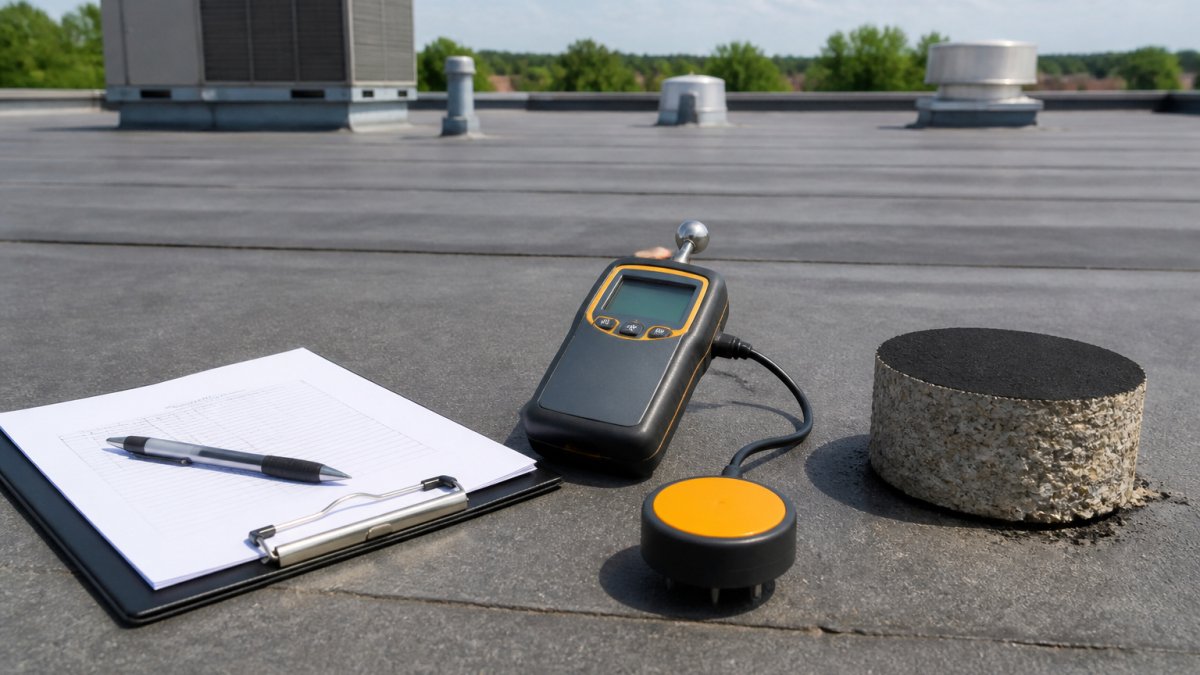
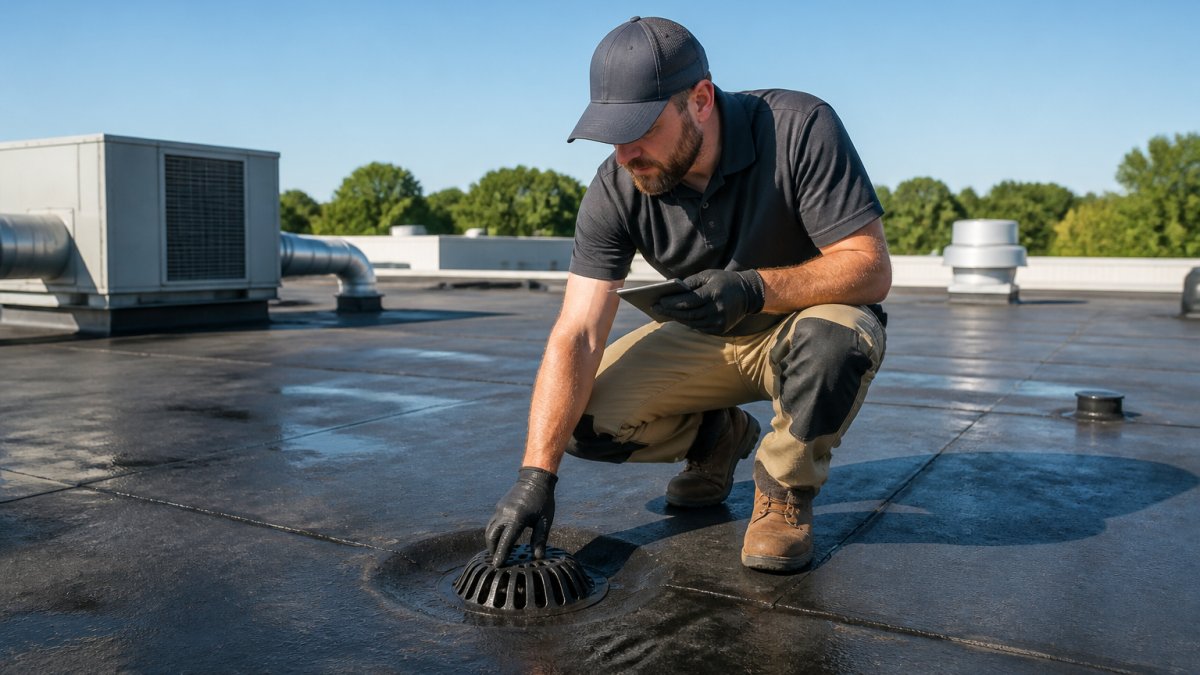
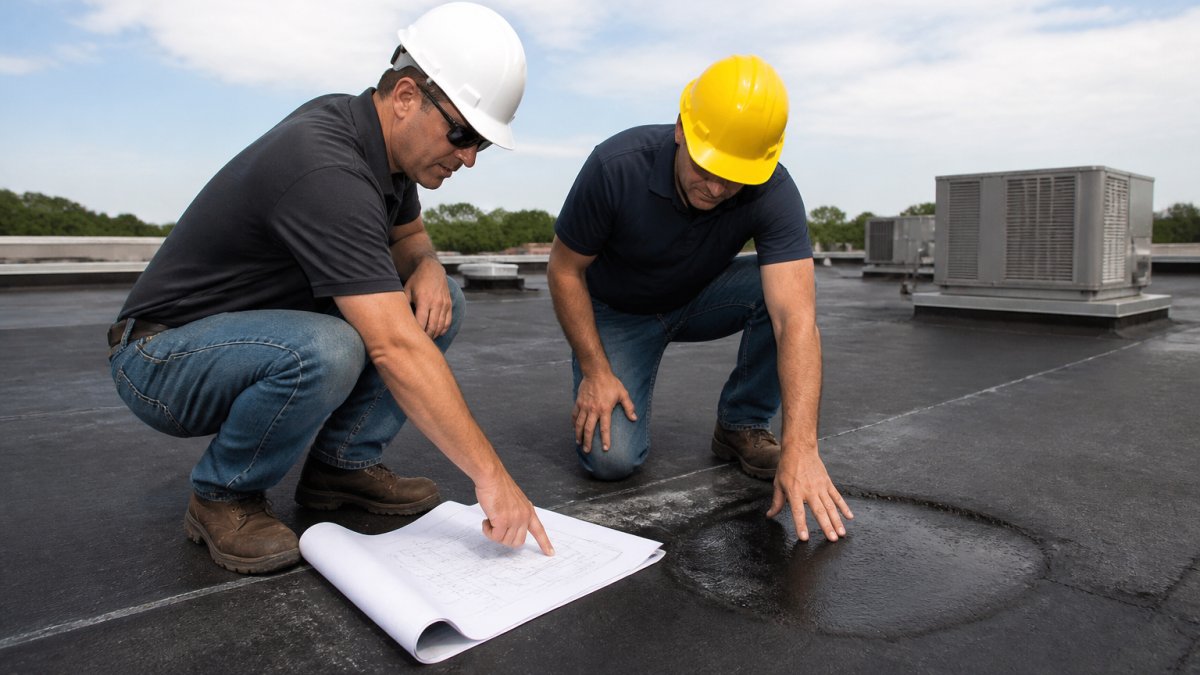
The decision between coating and replacement starts with a thorough roof inspection.
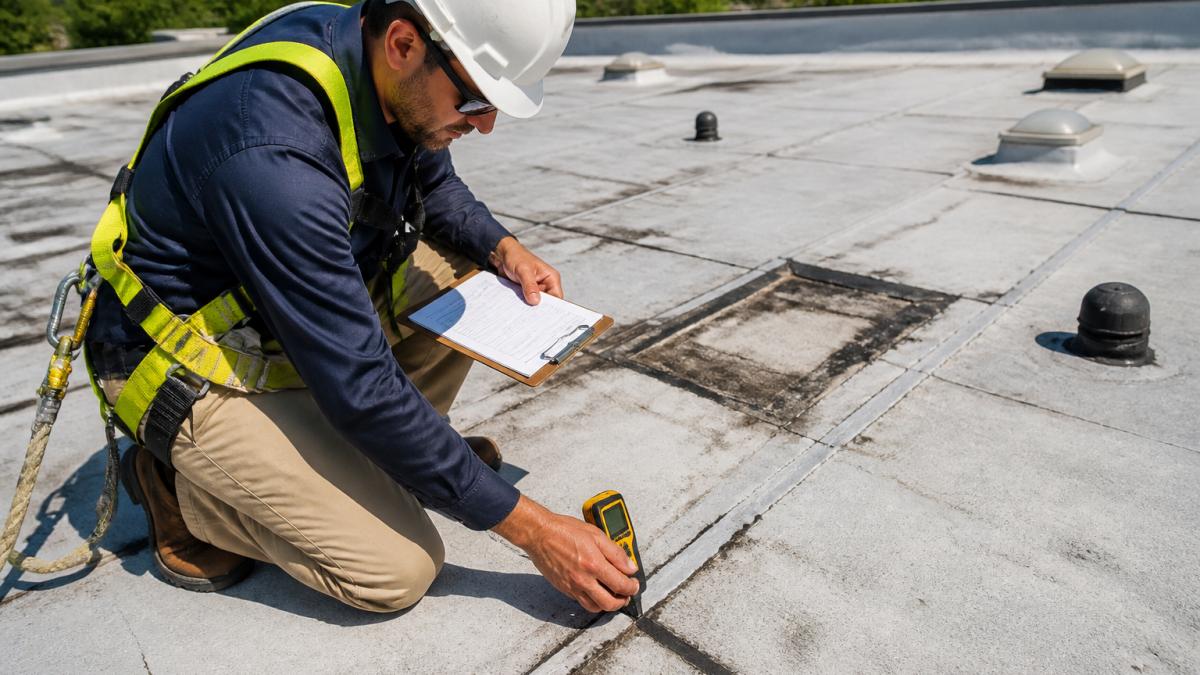
Key inspection points:
- Substrate condition: Is the roof deck solid, or soft and deteriorated?
- Water intrusion and staining: Water marks, discoloration, or mold indicate active or recent leaks
- Seam integrity: Are seams sealed properly, or separating and allowing water in?
- Ponding water: Does water collect in low spots after rain, or drain properly?
- Membrane tears or punctures: Any visible damage to the roof surface?
- Flashing condition: Are roof penetrations (vents, pipes, HVAC units) properly sealed and flashed?
- Previous repairs: Patching or temporary fixes suggest ongoing problems
- Coating adhesion: If there's existing coating, is it peeling or delaminating?
- Age of current system: How old is the roof, and what materials were used?
- Structural movement: Any signs of building settling or movement in the roof assembly?
A professional inspection from a qualified contractor like American Enviromental Services provides the data you need.
Decision framework:
If the inspection shows a structurally sound roof with minor surface wear, coating is appropriate.
The worst decision is guessing. Get a professional inspection.
American Enviromental Services has spent over 20 years diagnosing this decision for commercial property owners.
NRCA commercial roofing standards and best practices
Cool Roof Coat comparison of coating versus replacement costs
Tom Byer Roofing 20-year lifecycle cost analysis
Frequently Asked Questions
Is it worth getting a commercial roof coated instead of replaced?
Roof coating is worth considering if your roof substrate is structurally sound and you want to extend its lifespan at a lower upfront cost. Coating works best on roofs with minor surface damage or early signs of wear. However, if your roof has active leaks, ponding water, or significant structural damage, replacement is the only reliable solution. The decision depends on your roof's current condition and how long you plan to keep the building.
What affects the cost of coating a commercial roof?
Roof size (measured in square footage) is the primary cost driver, along with the coating system type you select. Labor costs depend on roof access, complexity, and surface preparation requirements. Existing damage that requires repair before coating can add to the total project cost. Weather conditions during installation and the condition of your roof substrate also influence pricing. Request a detailed inspection and estimate to understand what factors apply to your specific property.
How many years does roof coating last on a commercial roof?
Most commercial roof coatings last 5 to 10 years, depending on the coating system, climate, and maintenance. Silicone and acrylic coatings typically perform well in different weather conditions, but proper maintenance and timely repairs of seams and penetrations extend durability. A well-maintained coated roof can be a cost-effective choice for building owners seeking to defer larger capital expenses.
When should a flat roof be replaced instead of coated?
Replace your flat roof instead of coating it if you have active water intrusion, structural damage, widespread corrosion, or extensive ponding water that coating cannot address. If your roof substrate is deteriorating or you discover mold and moisture damage during inspection, coating will only mask the problem. Replacement is also the right choice if your roof is near the end of its service life and coating would only delay an inevitable replacement by a few years.